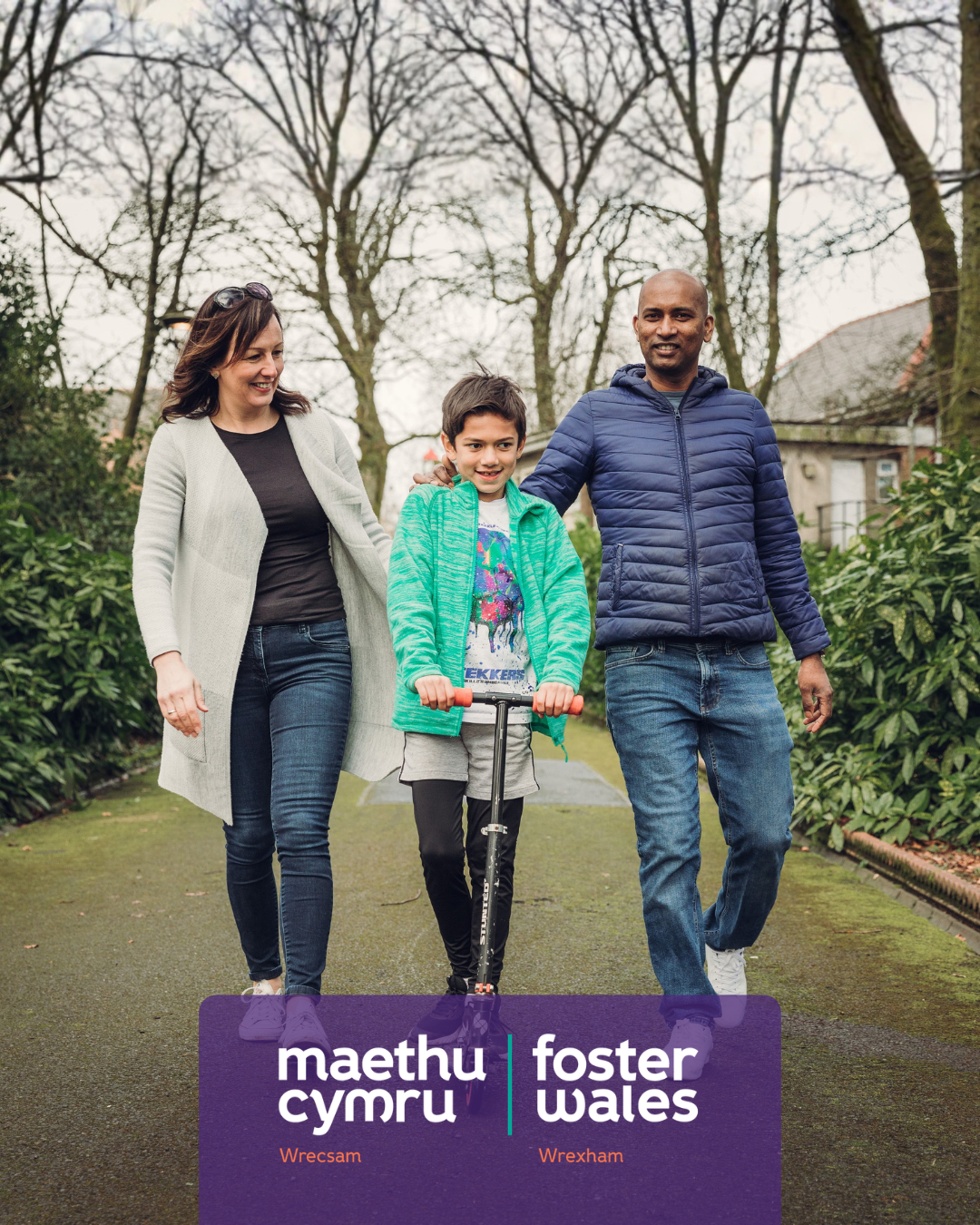
They came to fostering with years of experience between them, and a shared belief that some children simply need someone who won’t give up. This is what Champion fostering looks like from the inside.
two people, one shared instinct
They’re a couple in their early forties, and between them they’ve seen a lot. One spent years as a residential support worker; the other is a secondary school teacher. Different roles, but the same recurring truth, some children need consistency, patience, and someone who stays.
They started fostering some years ago, taking on more general placements and building their experience steadily. Over time, they grew in confidence and found themselves drawn to something more challenging: supporting young people with complex needs, particularly those moving on from residential care. That’s when they made the decision to become Champion foster carers.
what champion fostering actually means
“For us, Champion fostering is about being a bridge, but also a long-term base,” they explain. The young people who come to them are leaving residential care, but the move isn’t abrupt. Everything is planned and built around the child: their needs, their pace, and finding the right home.
It’s not about quick fixes. It’s about creating the right conditions for something more stable to grow.
Not all fostering begins in an emergency, and Champion fostering rarely does. Before a young person moves in, there’s a structured transition, typically around 12 weeks, where visits build gradually. Short stays first, then longer ones, slowly introducing what everyday life in their home looks like. “By the time he moved in with us, we weren’t completely new to each other. And that made a huge difference.”
“We didn’t expect too much too quickly. We focused on helping him feel safe, and making sure he knew what to expect day to day.”
the early days
The young person they care for came to them at age 12, stepping down from residential care. At the time, he wasn’t in school, his routine looked very different, and living in a family home felt unfamiliar, even after the transition period.
Those first weeks weren’t about getting everything in place at once. They were about the basics, meals together, evenings at home, learning each other’s rhythms. There was no rush to tackle school or anything beyond simply helping him feel settled and safe. Moving from residential into a family home is a significant adjustment, and they knew that pushing too much too soon would only make things harder.
“Consistency is what makes the difference,” they say. “Especially in the difficult moments.”
you’re not doing it alone
One of the defining features of Champion fostering is the team built around you and the child. Respite carers, supervising social workers, a therapeutic social worker, school staff, and family support workers all play a part, sharing information, planning together, and providing ongoing support that doesn’t drop away after the first few weeks.
There are also planned breaks built in, which matters given the level of care involved. “You’re not expected to manage things alone,” they say. “That team around the child is essential, it’s what makes this type of fostering possible.”
You can find out more about the support and allowances available to Champion foster carers on our website.
what progress really looks like
Progress, they’re clear, doesn’t come all at once. Once he had settled into home life, the next step was school, finding the right one, getting him enrolled, and then supporting him through all the adjustment that brings. That process was gradual too, and it didn’t happen without the fostering team alongside them throughout.
Now he’s attending, engaging, and building relationships, a milestone that would have felt distant in those early weeks. That journey took time, patience, and sustained effort from everyone around him.
But the smaller moments matter just as much. A conversation that wouldn’t have happened before. Sitting together and feeling relaxed. Seeing him begin to trust.
“Helping a child move on from residential care isn’t about everything being perfect,” they say. “It’s about helping them feel settled, safe, and able to move forward.”
Their own experience helped them get there. Years of fostering had already taught them the importance of routine, boundaries, and not taking difficult behaviour personally. “We’ve learned to look beyond the behaviour and understand what’s underneath it, and that’s made a big difference.”
“It’s not always easy. But it is incredibly meaningful. And you’re never doing it alone.”
what comes next
Champion fostering is about creating the right conditions for whatever comes next. For some young people, that’s long-term stability. For others, it might be independence or reconnecting with family. Whatever the destination, the aim is the same, stability, care, and the chance to experience family life in a meaningful way.
could this be right for you?
Their message to anyone considering it is honest. You don’t need to have all the answers, but some experience helps. Champion fostering builds on skills you’ve already developed, and while it’s a step up, it isn’t exclusively for existing foster carers. People who have worked with children or young people, particularly those who’ve experienced trauma or have additional needs, may well have exactly what it takes.
What matters most, they say, is patience, resilience, and the ability to stay calm when things feel difficult. The ability to work as part of a team. And the willingness to keep showing up, even when progress feels slow.
If this sounds like you, find out more about Champion fostering in Wrexham, explore who can foster, or read more stories from our foster carers.