foster carers share their stories, insights, and life-changing moments of fostering babies
In Wales, around 290 babies need foster care each year. Latest figures from the Welsh Government show that on 31 March 2024, 4% of all children in care of their local authority (looked-after children) were aged under 1 – many coming into care very shortly after birth.
These figures underline the ongoing need for more foster carers who can offer babies a safe, loving home at such a crucial and vulnerable time in their lives.
In this blog, Foster carers from Foster Wales Wrexham share their real stories, insights, and life-changing moments from those first few months of life.
From helping babies in foster care to feel safe, form secure attachments to beginning to trust the people and world around them.
Read on to hear foster carers Viv, Trish and Kevin share what everyday life is like when you are fostering a baby.
Viv’s new perspective – fostering babies for the first time
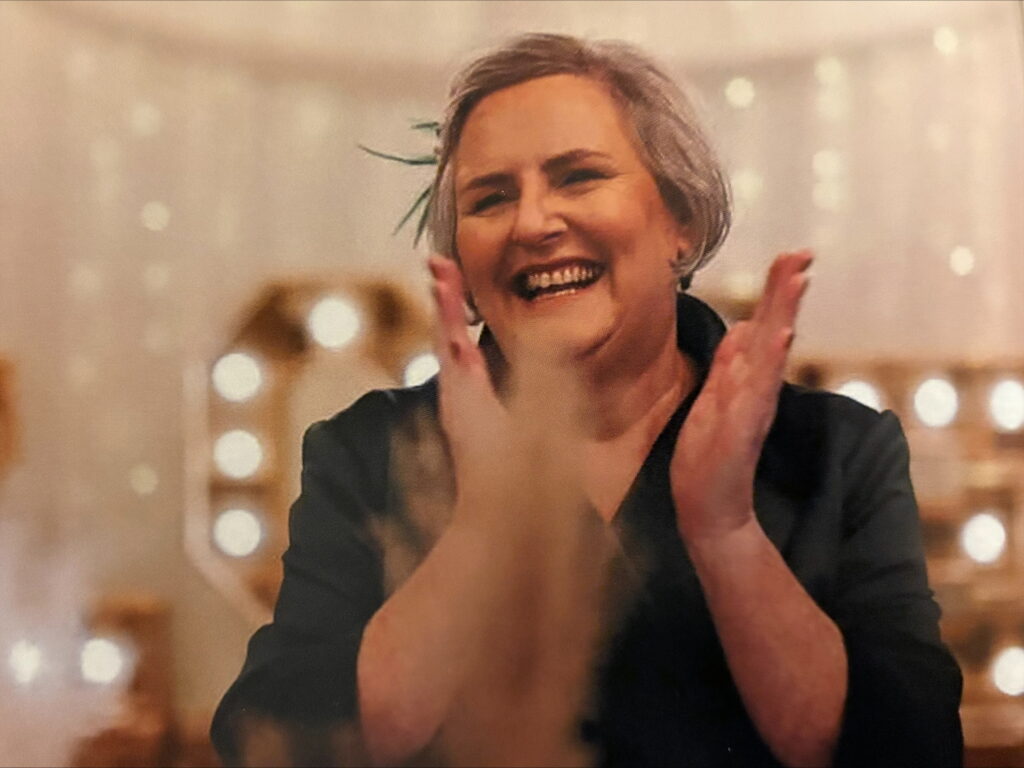
Viv and her husband, Jon, have been fostering for nearly 22 years, supporting children of all ages. The youngest child they had ever cared for was five.
Last year they welcomed a newborn into their home for the first time.
Now 53, Viv has found that stepping into the world of fostering babies has brought new experiences, challenges, and rewards, offering a fresh perspective on the impact of early care and attachment.
what led you to start fostering babies after so many years of fostering older children?
Viv: While there have always been babies who needed foster care, we were rarely asked to care for babies. until last year. So when we were asked to care for a newborn, we said yes, even though we’d never fostered babies before. We felt it was important to be open to new experiences and respond to the need.
how did fostering a newborn change your day-to-day life and work arrangements?
Viv: Jon has always been the full-time foster carer, and I was working at the time. But because the baby was only going to be a few days old when she arrived, I gave up work to take-on full-time care for the baby. I’m really glad I did. She arrived just three days old, and those early days were so important for bonding and settling her in.
With older children, it is possible to juggle work and fostering, but with a newborn, you really need to be home around the clock.
why do babies in foster care need full time care, especially in the early weeks?
Viv: Babies who come into foster care have often been through a lot of trauma even before they’re born, during pregnancy. Because of this, they can be quite unsettled – struggling to sleep, feed properly and settle into routines. For this reason, they really need your full-time attention, especially in those first weeks and months.
why is fostering a newborn different to fostering older children?
Viv: With fostering older children, they often already have their own boundaries, which makes it easier for us as foster care to maintain ours. And although you still need to form attachments, it’s different.
Many babies have been through early trauma, so they can be hyper-vigilant, struggling to feel safe and especially sensitive to changes in their environment. Those early months are all about helping them learn to trust and feel secure.
But as time goes by, and with the right care, you start to see them settle. They begin to reach milestones and that’s what makes it all worthwhile – and filled with so much love.
what have you learned from fostering babies?
Viv: I think I’ve learned more since we started fostering babies than I ever did during my nearly 22 years of fostering, and even more than I learned raising my own two daughters. And the learning doesn’t stop; I keep discovering more every single day.
You wouldn’t think a baby could teach you so much!
It has definitely taught me to slow down. If a baby needs attention or a daytime nap in my arms, I’ll put the household chores aside and focus on their needs instead.
Sometimes, that’s the only way they’ll sleep, curled up on you.
“i’ve enjoyed every minute – it’s been an absolute joy”
how has fostering a baby affected the rest of the family?
Viv: We also have a teenager living with us, who has been with us since he was five years old. Despite the big age gap, having a baby in the house has been really positive for him. He’s a typical teenager who loves his PlayStation, but he still takes time to interact with her. The baby lights up when she sees him, responds to his voice, and he responds to her too, and it’s been lovely to see the bond growing between them.
what training and support have helped you care specifically for babies?
Viv: We have an excellent training hub in Wrexham, with really strong training opportunities available all the time. I completed a 16-week intensive therapeutic training course, which was amazing, and I’ve also done some attachment training.
I’ve always felt well supported, there’s always someone at the end of the phone if I need advice, and we have lots of different support groups where we regularly meet for coffee and a chat with other local foster carers.
what is it emotionally like to foster a baby, even for a short time?
Viv: I’m not sure how I’m going to feel when she moves on, but I know I’ll be upset and sad. I’ll cry, and it will hurt. You give these children everything, and you try to keep your emotions in check, because that’s why we do what we do as foster carers: it’s all about what’s best for them.
With babies in particular, we are often all they’ve ever known, which makes it even harder. But at the same time, it’s incredible to see the difference you can make in the short time they are with us.
Every smile, every milestone, every moment of trust and comfort reminds you why this role is so important.
what was it like going back to caring for a newborn after so many years?
Viv: I’m 53, and when I was first asked to look after a baby, I thought, “No, I’m 53, I can’t go back to restless, sleepless nights!”
But when you do, and you go back to nappy changes and bottle feeds, it just comes so naturally.
With the right support around you – family, and the support of the local authority team – it all fits together, and it becomes second nature.
You know, if this is the way you’re inclined to love and care, once they’re through the door, all those worries are forgotten. You just fall into it and find yourself doing it instinctively.
what advice would you give to someone thinking about fostering?
Viv: My husband and I talked about fostering for a few years before doing anything about it.
Just make that first enquiry with your local authority – you never know, you might like what you hear in that first conversation, and it could draw you in. There are so many children in our communities who need you.
dedicated to caring for babies – Trish & Kevin
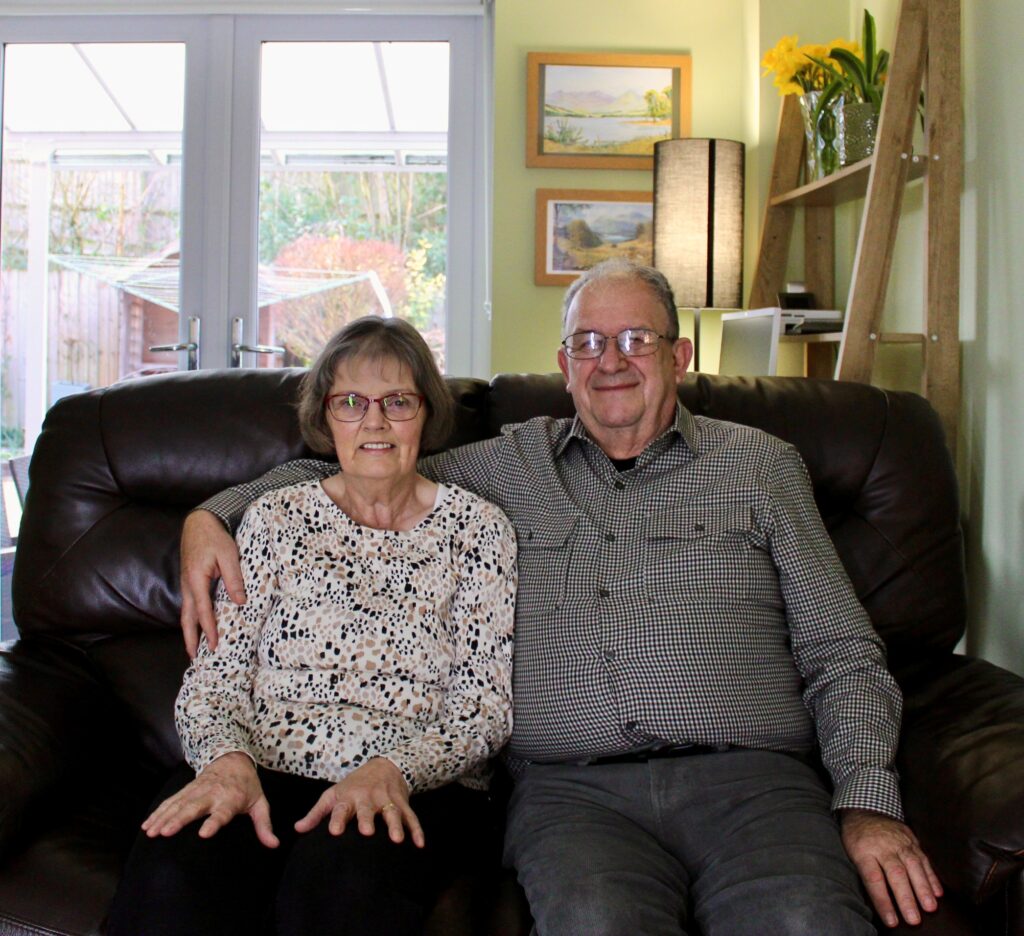
We often talk about the fact that age is no barrier to fostering. Foster carers Trish and Kevin, now aged 67 and 73, began fostering babies when they were 59 and 65.
They bring a lifetime of experience, patience and emotional stability, providing the consistency and unconditional love that babies need to feel safe and secure. Their story shows that it’s never too late to make a profound difference in a child’s life.
what motivated you to open your home to babies at 59 and 65?
Trish: I had wanted to foster ever since being a young mum, but back then, Kevin was concerned I’d get too emotionally involved, and he often worked away. So instead, I started a childminding business and continued working with children in various ways, from the local church to being a dinner lady.
One morning, Kevin simply said, “I think we should give fostering a go”.
We were already looking after local children, so it felt like a natural next step. Our own two grown-up children fully supported us, though they did think we were a bit crazy wanting to start fostering at the age of 59 and 65!
Kevin: You know, fostering has kept me young and kept my brain agile. We genuinely believe that people in their late 50s and early 60s are a gold mine of talent when it comes to fostering. If you can just reach them and help them see that it’s the right thing to do, they have so much to offer.
Trish: At our age, we have a lot of life experience and wisdom, which really helps. I think Kevin was right – when I was younger, I would have been too emotionally involved and would have struggled more. But as you get older, you’re wiser and understand things better.
why did you feel fostering babies was the right choice for you?
Trish: Because we ran a childminding business, our house was already set up for young children, and I had a strong understanding of their needs.
With young grandchildren of my own as well, I felt refreshed and up to date in my thinking, which is why we felt that fostering babies was right for us. Plus, we were both at home full time.
Kevin: I think the childminding business really put us in a good place before we started fostering, because we were used to looking after multiple young children at once. It gave us a solid grounding before we began. Of course, it’s not essential – anyone with the right care and support netowrk can foster babies.
We’ve cared for many babies since we started fostering in 2019, with stays ranging from just a few days to over two years. At one point, we even had three babies in the house at the same time, though that was only for a week!
how do you cope with saying goodbye when a baby moves on?
Trish: I’m happy for babies and children when they move on to their forever homes.
As a foster carer, your role is to prepare the child and their new (or birth) family for life together, and you have to accept that you’ve fulfilled that responsibility well.
From the day they arrive, especially newborns, I remind myself it’s only for a short time, which really helps. We also start saying goodbye a month or two before they leave, so we can prepare ourselves.
It’s different depending on age. Very young babies don’t understand what’s happening, whereas older children do, even though they’re not yet emotionally able to fully process it.
how do you help babies and young children start to understand and prepare for moving on?
Kevin: There is a lovely book called The Blanket Bears*, which we think is fantastic (*this story follows the adoption journey of two neglected little bears as they navigate through foster care to their forever family).
Of course, there are hundreds of similar books out there, but The Blanket Bears is our personal favourite. We often read this story as part of our bedtime routines and we’ve extended the idea by getting some Care Bear figures to go along with it.
how do you handle the emotions of loving a baby who will eventually move on?
Trish: People often say they couldn’t foster babies because they’d love them too much. But that’s the whole point. You have to love them – completely and unconditionally.
You have to be the person who gives them that safety and security, who helps them form a secure attachment. And you simply can’t do that without falling in love with them.
Yes, it hurts when they leave, because love hurts, but it is absolutely worth it.
“you have to love them – completely and unconditionally”
what does a typical day (and night!) look like when you foster babies?
Trish: Well, it starts early. Kevin usually does the very early mornings, often with the older children, and I get up when the baby (or babies!) wake up. I feed and change them before we all come downstairs. I even get breakfast in bed every morning, thanks to Kevin!
Kevin: During the day, it’s very much focused on playtime, especially as they’re so little. We try to get out for some fresh air as often as possible. Our National Trust passes are amazing.
Trish: Kevin does all the cooking, and when it comes to weaning we follow a few books we really trust, so he takes over the kitchen. I tend to lead on the day-to-day childcare.
Kevin is very practical; sometimes I’ll say the baby needs more stimulating toys or foods with different textures, and he’ll go off and sort it all out. He also takes care of most of the logistics, the paperwork, and attending meetings.
During the night, I’ll change the nappies while Kevin heads downstairs to make the bottle (and a cup of tea for me!). I then feed the baby and settle them back to sleep (because Kevin’s idea of “quietly” moving around the house at night is, let’s just say, optimistic!).
That’s our routine, and it works perfectly for us.
Kevin: Caring for babies is constant, so we’re very accountable to one another. We’ve been married for 45 years and know each other inside out – it’s just teamwork.
We know our roles and strengths, and we rely on each other emotionally.
what kind of support and training is available to help you care for babies in foster care?
Kevin: The local authority is very supportive, and there are lots of learning opportunities available to prepare you for everything – you just need to be willing to take them. We actually enjoy using the training hub in Wrexham; we like being able to learn in our own time, at our own pace.
And our supervising social workers, along with the whole team, have been brilliant, always there for us and always going that extra mile to help.
They are good people.
why do you think more babies are coming into care now, based on your experiences of fostering babies?
Kevin: To a large extent, I think it’s due to the breakdown of extended families. Many of the babies we’ve cared for come from families who simply don’t have anyone to turn to. Without a wider family support network around them, it becomes incredibly difficult. We all need that kind of support.
what advice would you give someone who is considering fostering – babies in particular?
Trish: Until you’ve done it, you can’t really appreciate what an incredible role it is. You care for a tiny baby who is like a sponge, soaking up all the love and experiences they might not have had before.
You have the chance to equip that child with a foundation that will support them for the rest of their life. One of the most amazing aspects is the attachment you form.
Kevin: That bond, once it’s established, doesn’t just end when the baby moves on; it transfers. Whether the child goes to adoptive parents or returns to their birth family, the security and love they’ve experienced with you stays with them.
I didn’t believe that attachment was a transferable skill before we started fostering, but seeing it happen firsthand is truly wonderful.
“having these babies in our lives, even if only for a few days, is an absolute privilege”
Trish: If it’s in your heart, give it a go!
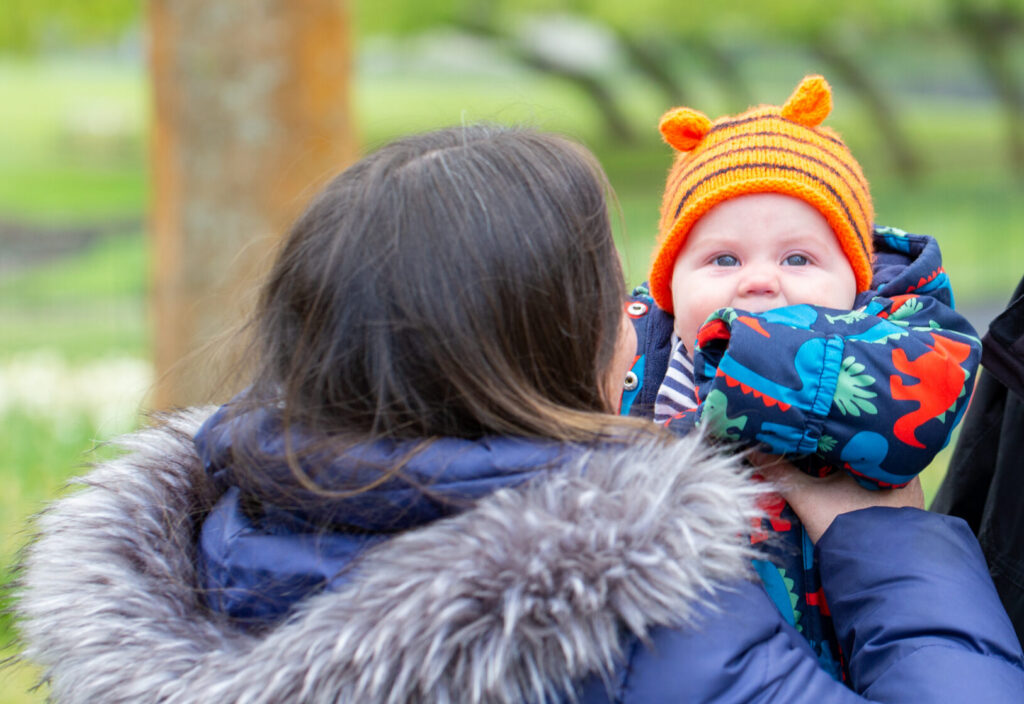
could you offer a safe start to a local baby’s life?
If you live in Wrexham, contact Foster Wales Wrexham and a member of our dedicated team will be in touch for a friendly, no obligation conversation to help you decide if fostering is right for you.
If you live anywhere else in Wales, visit Foster Wales for more information and to find your local authority fostering team.